Naboisho Camp Conservancy- Masai Mara, Kenya
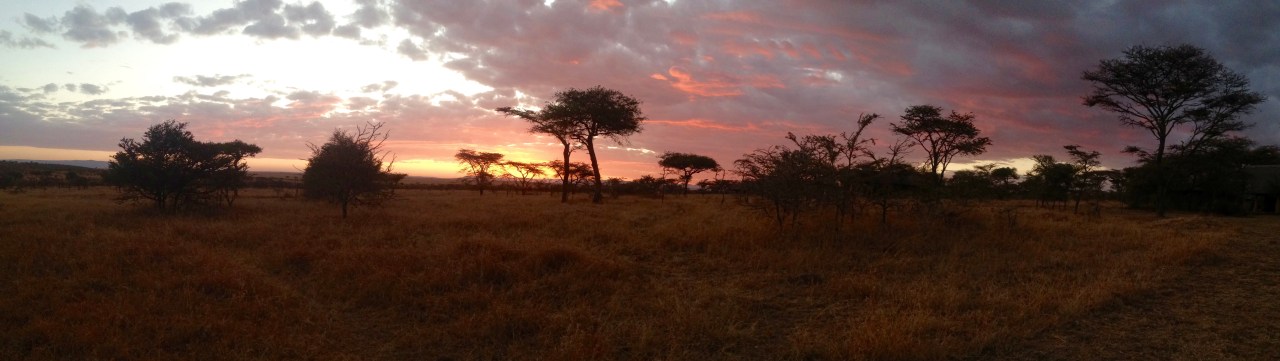
While in Kenya, we stayed in a small tented camp in the Masai Mara called the Naboisho Conservancy.
Camp Story
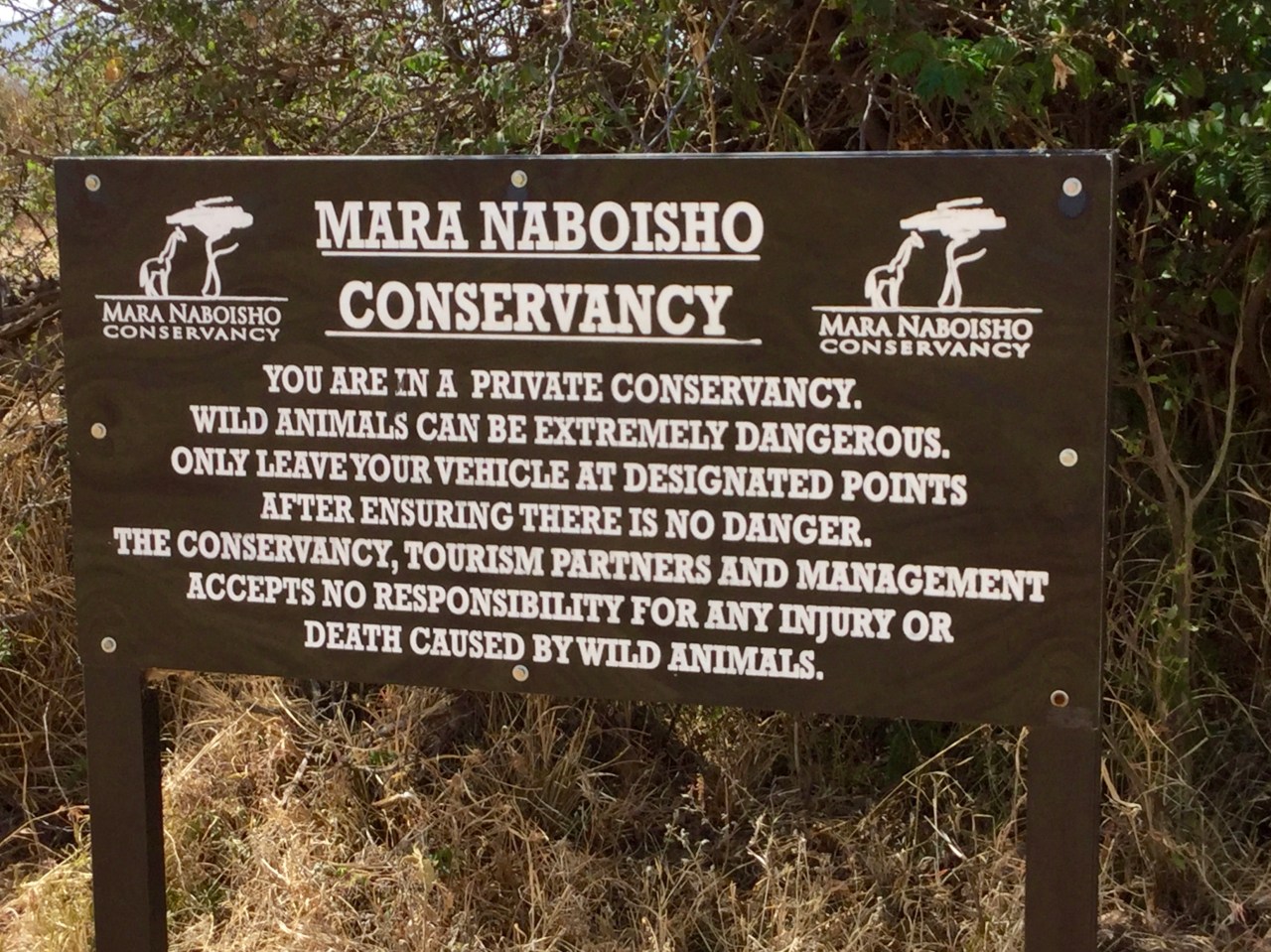
Naboisho Camp is situated within the Mara Naboisho Conservancy. Asilia Africa is proud to be one of the driving forces behind the conservancy, the creation of which saw over 500 Maasai landowners coming together to contribute their land to conservation.
Having successfully secured these community leases, the Mara Naboisho Conservancy is prime example of a tourism-turnaround story. With 210km² hectares under protection, the conservancy provides 142 direct jobs. The total area protected by the Mara conservancies together is 88,000 km². Your conservancy fees provide the Maasai community with a sustainable livelihood and ensure the conservation of wildlife in this vital corridor of the Maasai Mara ecosystem.
In addition to the conservancy’s role in conservation it also provides steady and sustainable employment, which it is hoped will lead to an improved standard of living for the community as a whole. Furthermore, it offers additional benefits such as healthcare, clean energy and empowerment of the local people through education and skills training. Naboisho Camp itself is consciously low-impact: they aspire to leave behind nothing but footprints. Sustainable operations include recycling of rainwater and all waste products.
Our Camp
Outdoor meals, outdoor showers, and outdoor fun!


The Experience
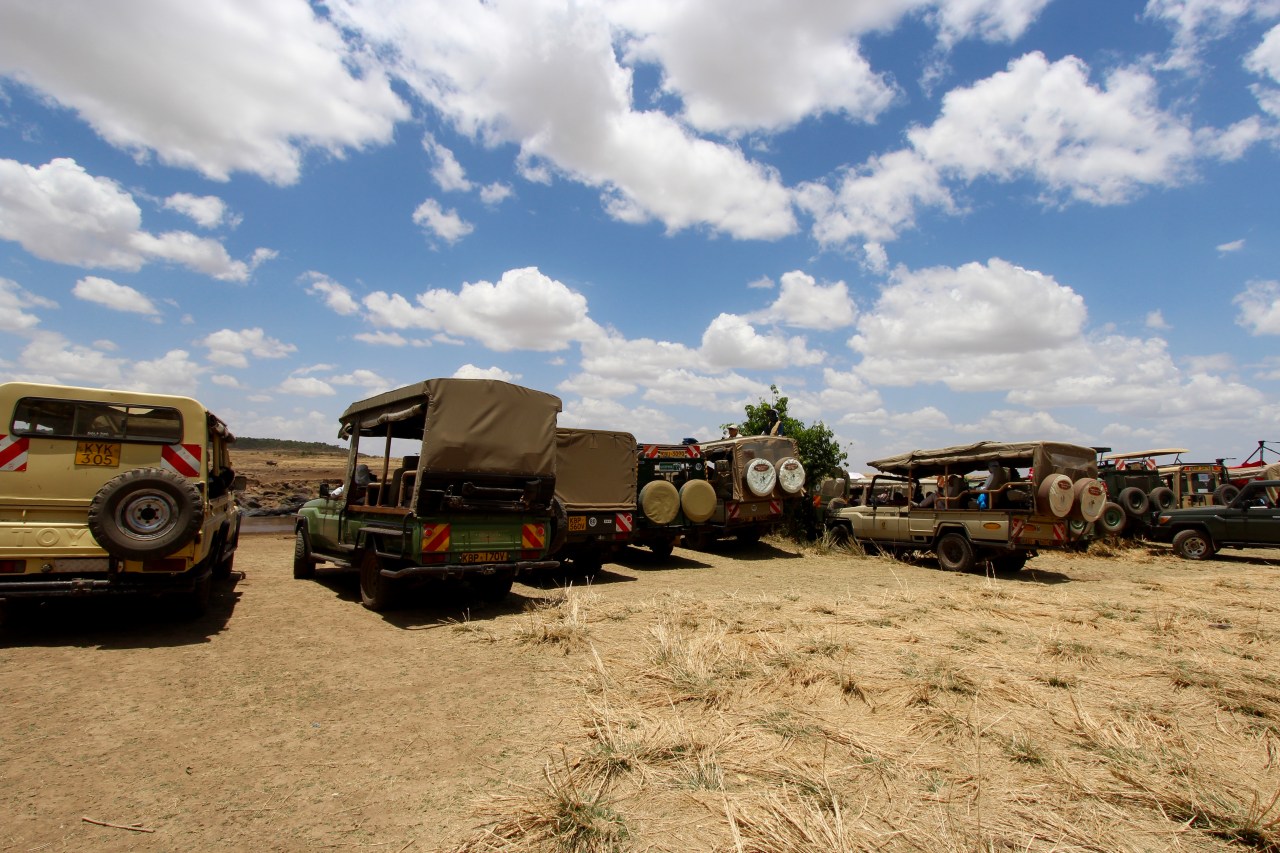
Game Drives


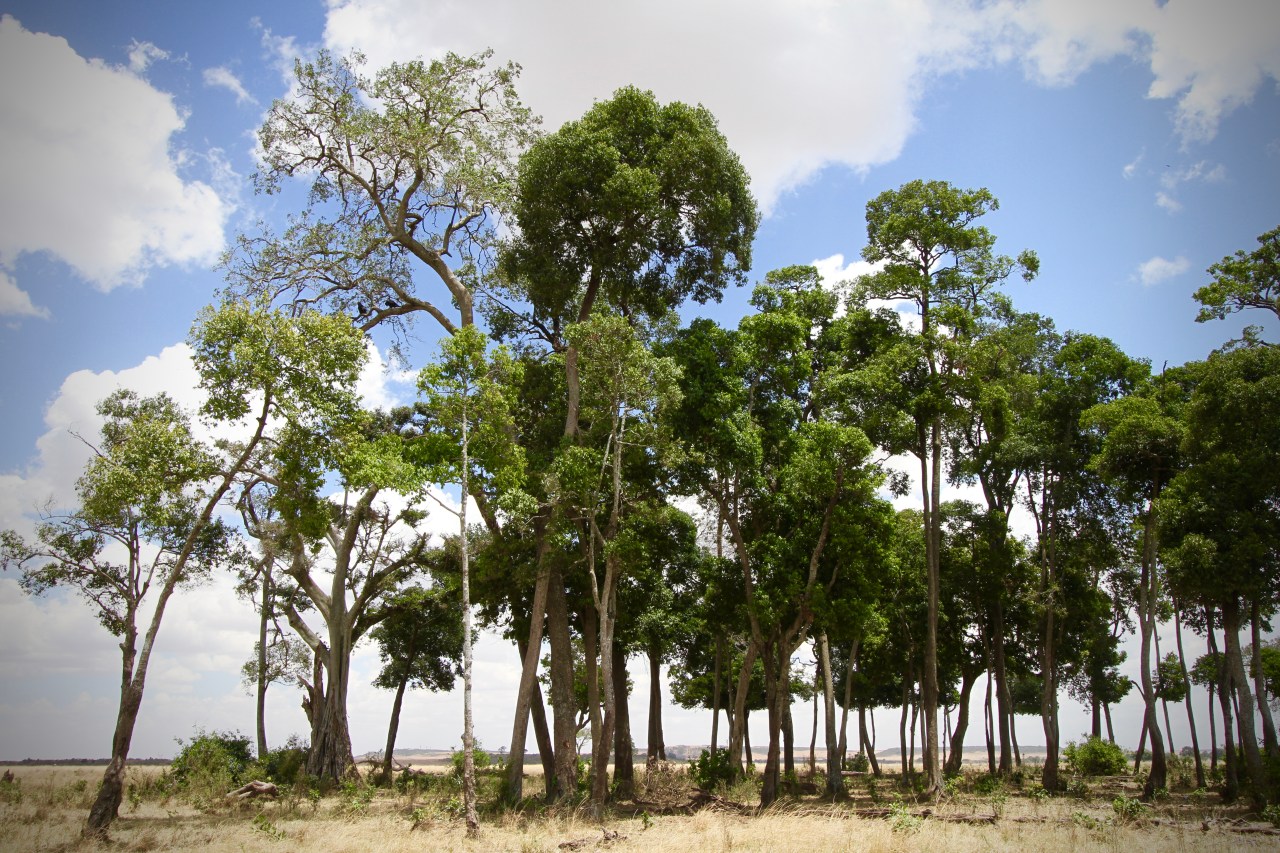
Looking to spot a leopard in the copse of trees (thanks Juan and Tom for the awesome wide-angle lens!)
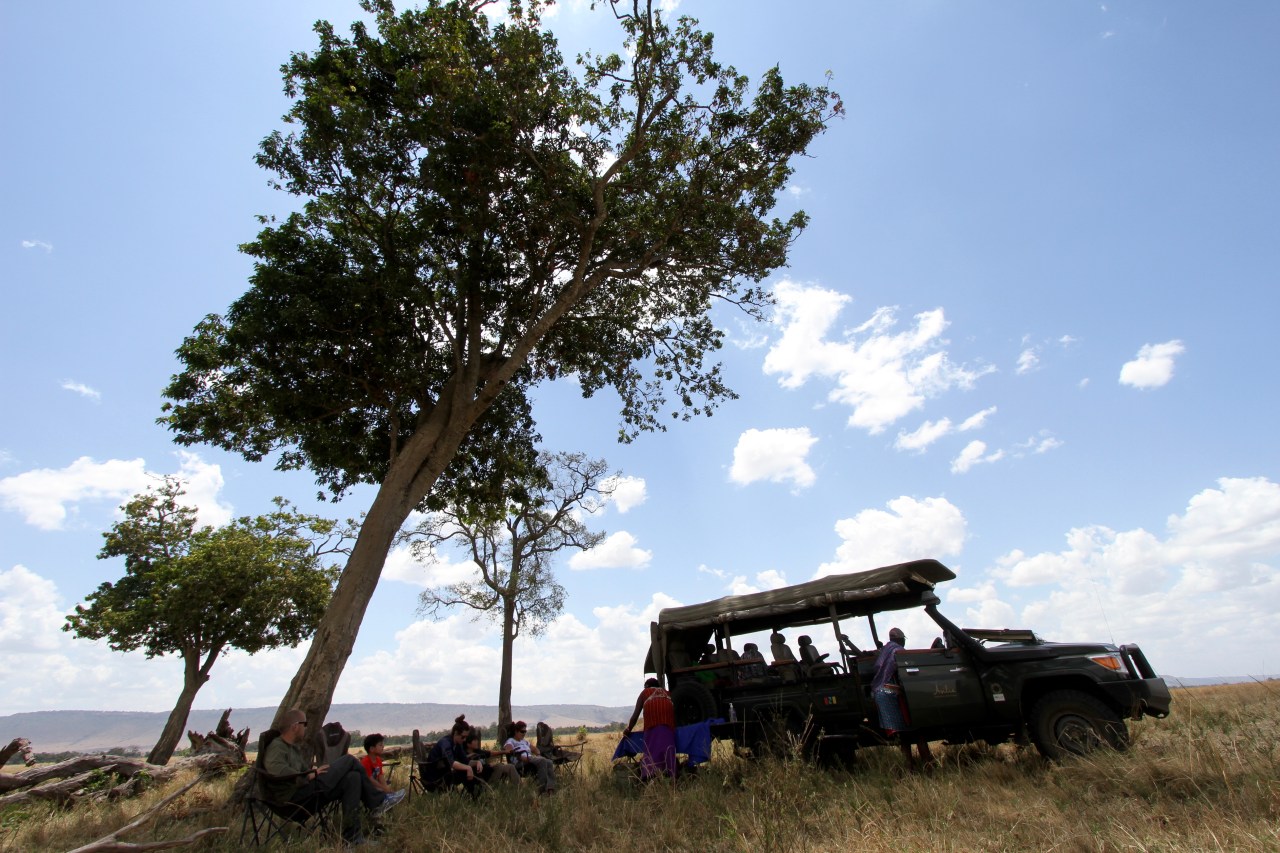
Picnic Lunch in the Savanah
A Walking Safari
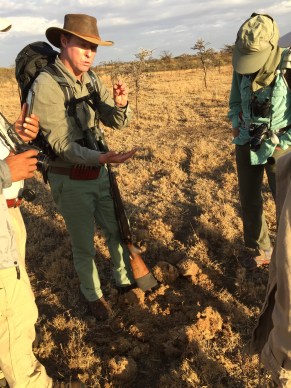
The private conservatory allowed us the rare opportunity to do a walking safari. Our guide, Rudolf, a man from South Africa (pictured above with gun), took us on a four hour morning walk around the savannah. An experienced tracker and knowledgable scientist, Rudolf taught us about the complex world of the local ecology — everything from the significance of the termite and dung beetle, to acacia trees’ self-defense mechanisms. Here are some of our favorite interesting facts:
-Wild fig trees do not grow like this (this shape) instead they are pruned into this “umbrella” like shape by the largest giraffes and elephants. The lowest level is called the browse line: 
-Acacia trees have a natural defense mechanism. When being browsed they pass an “alarm system” to other trees that travels up to 50 yards. This warns the other trees, and they begin to produce more leaf tannin that becomes less desirable to eat. The trees also have ant bodyguards! You can watch more about a different type here.


Baby Acacia Trees (Thanks T-Rod for the photos!)


While on foot you have the opportunity to see things from a different perspective. Examining the ever important termite nest was a facinating experience. They are integral to the ecosystem. Click here to read about the importance of termites . Here is a Nat Geo video about the queen.
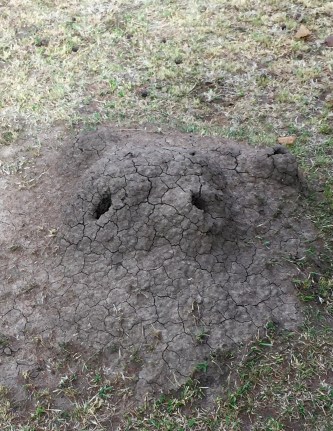
Small Termite Mound (Thanks t-rod for the photo!)
Animals
Giraffes


A bee heart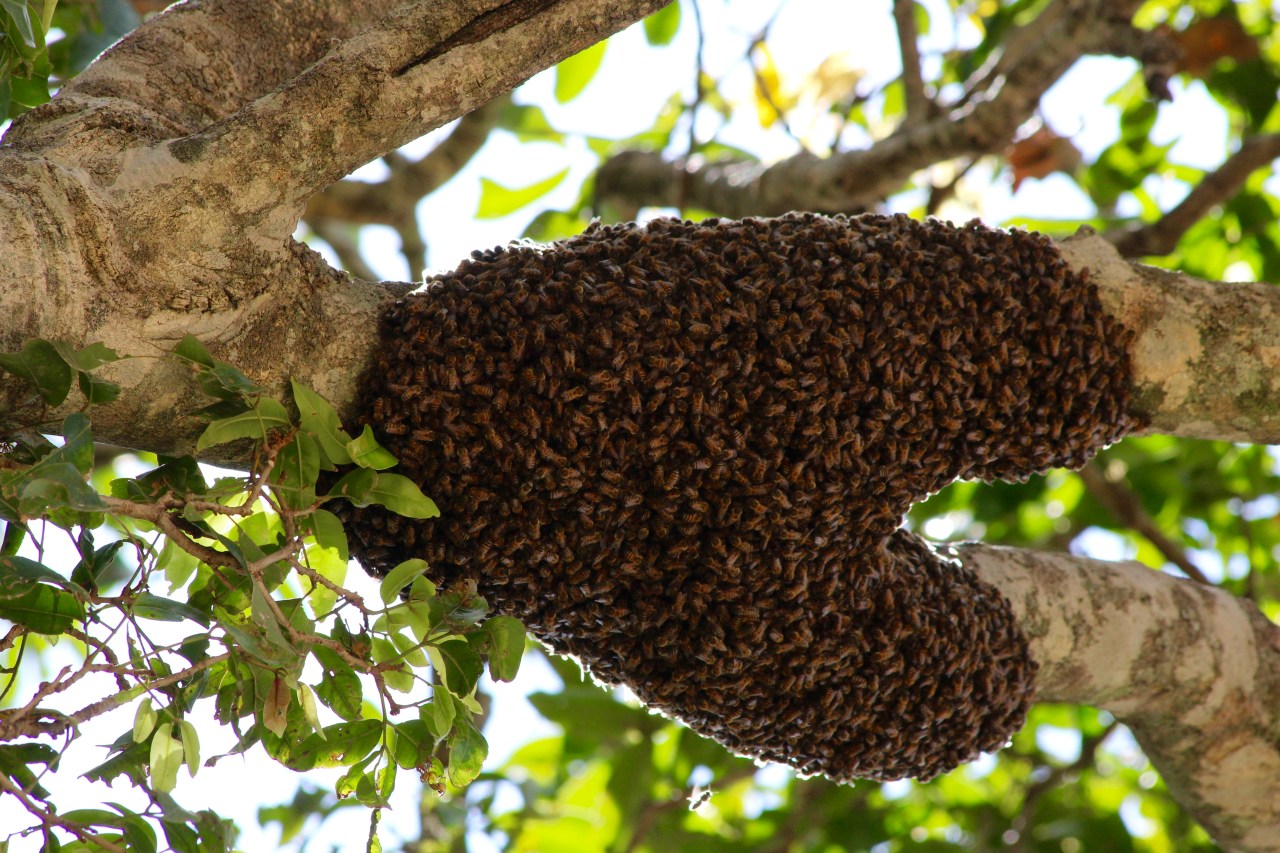
Birds


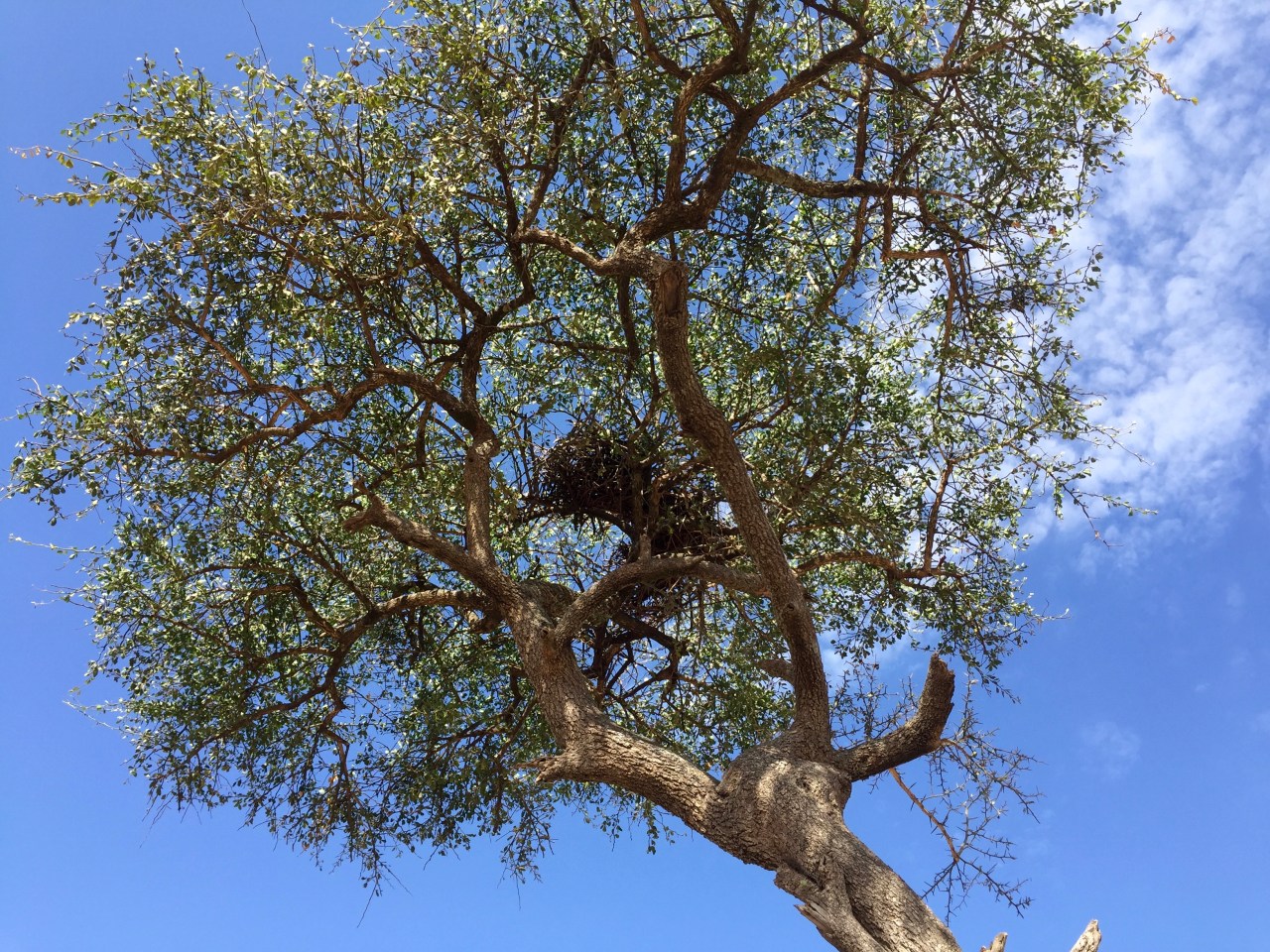
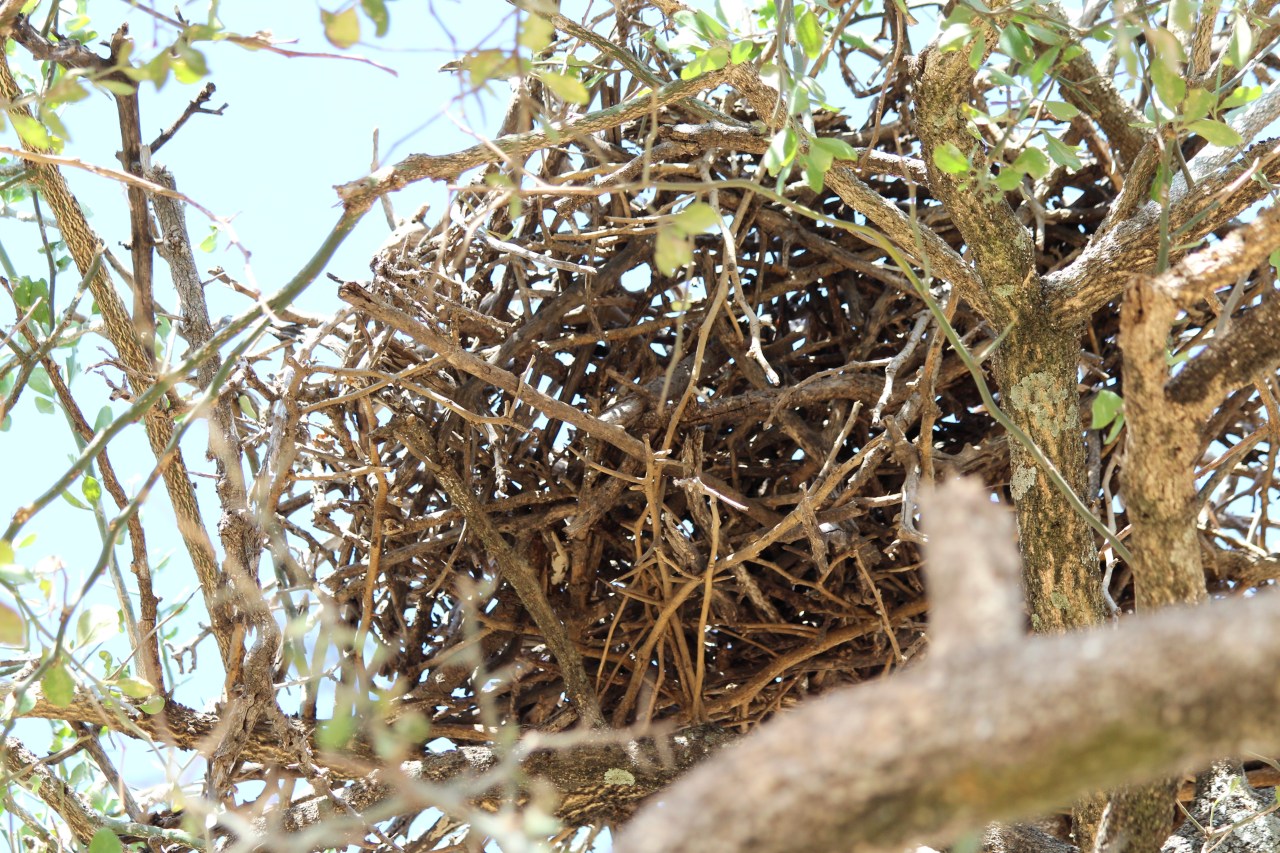
Large Vulture or Tawny eagle nest
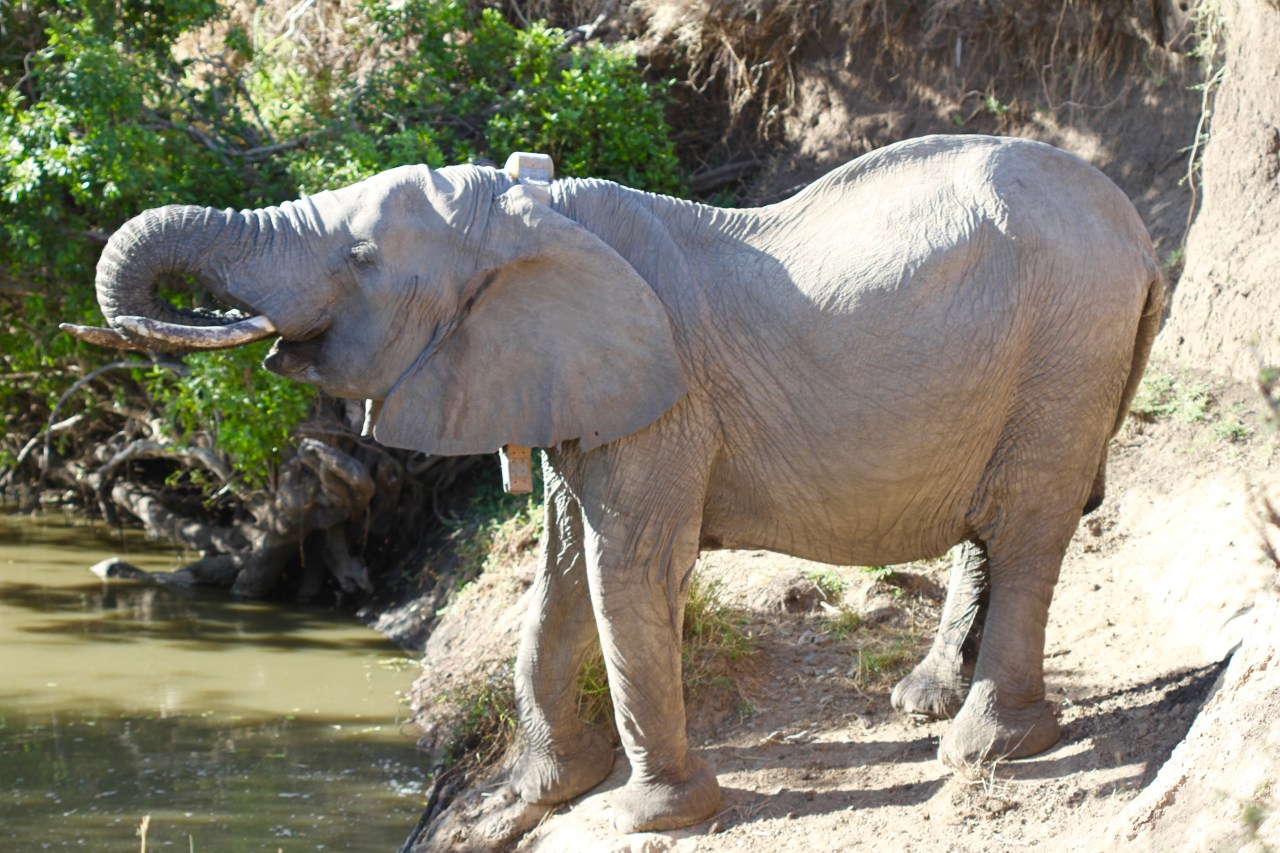
Elephants

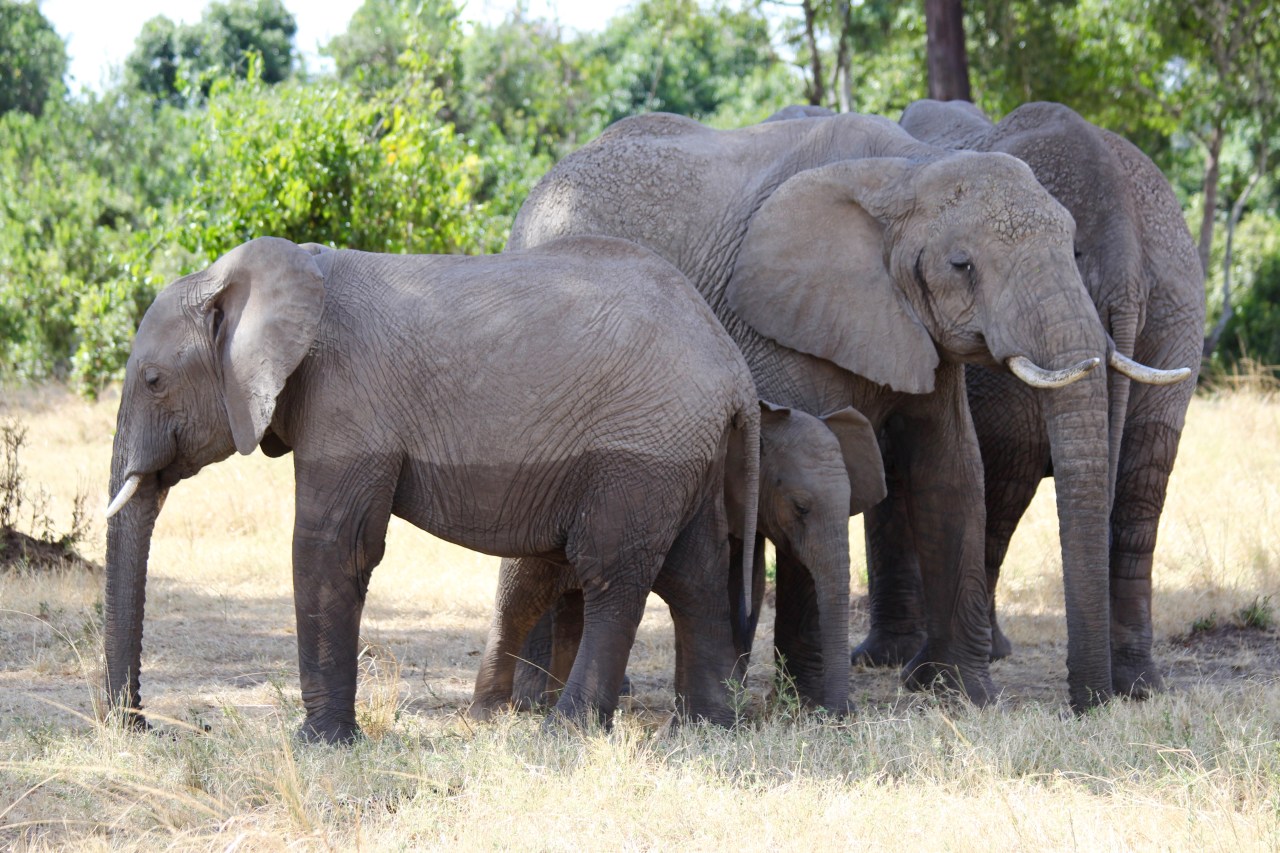
This family had just crossed the Talek river, you can still see the water line. Now they are taking am afternoon nap.
 Lizards


Predators (ish)
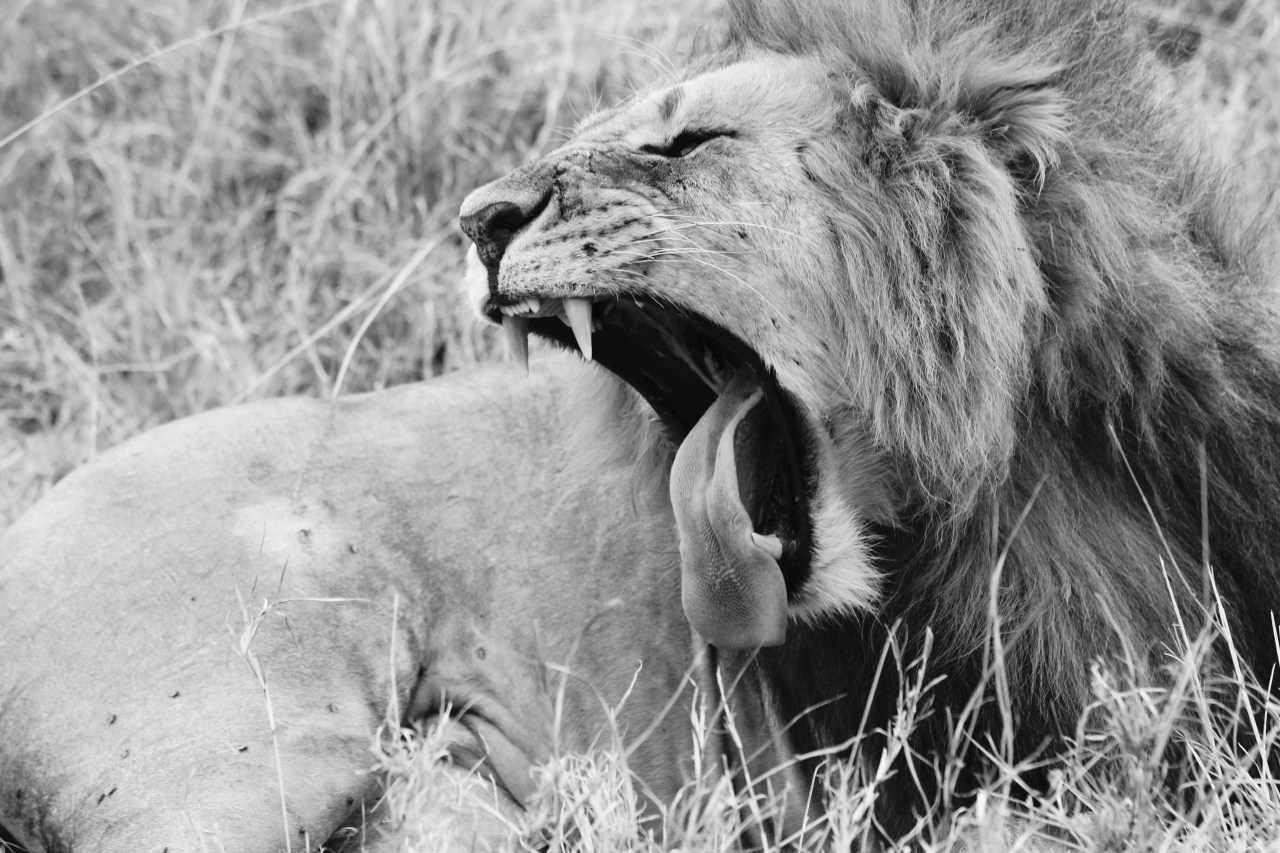
(Looks scary, but he was just yawning)


Spotted Hyena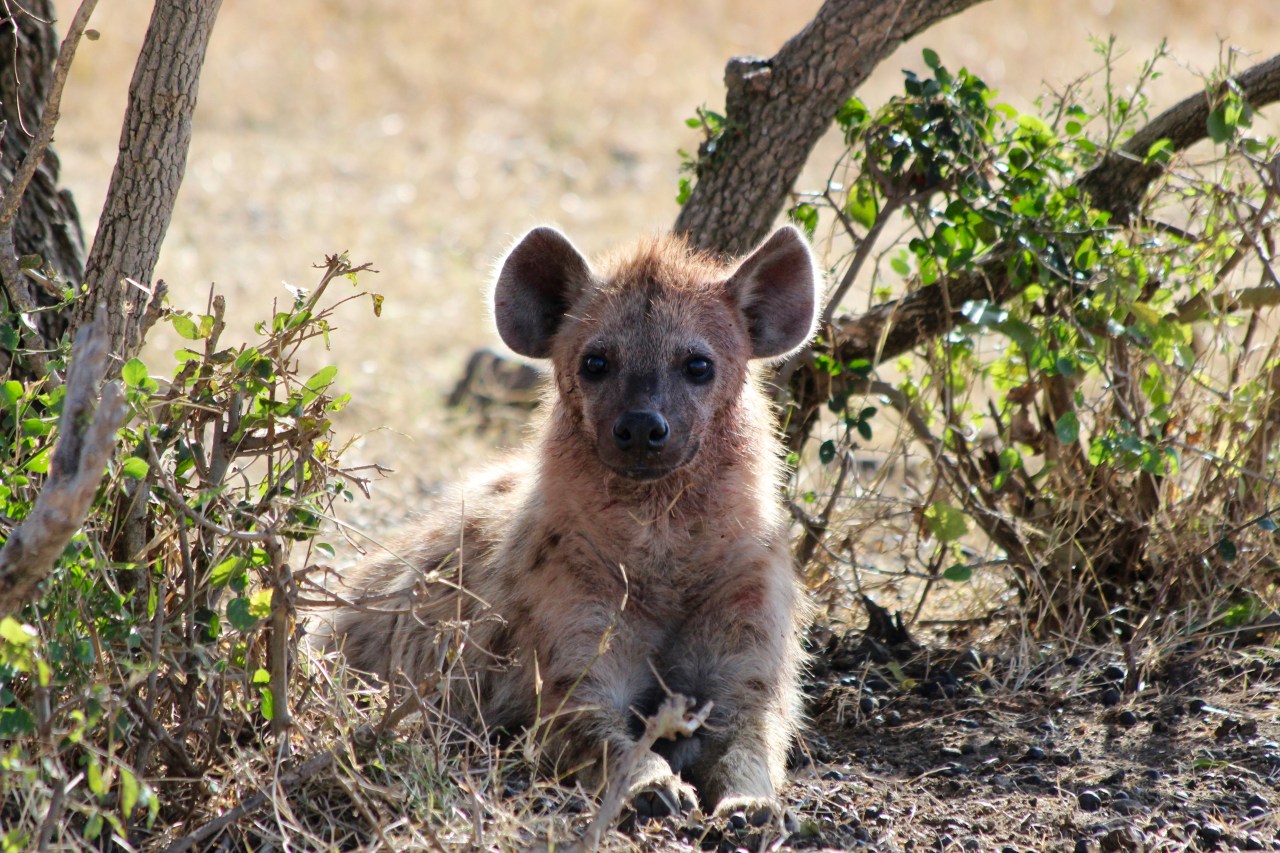
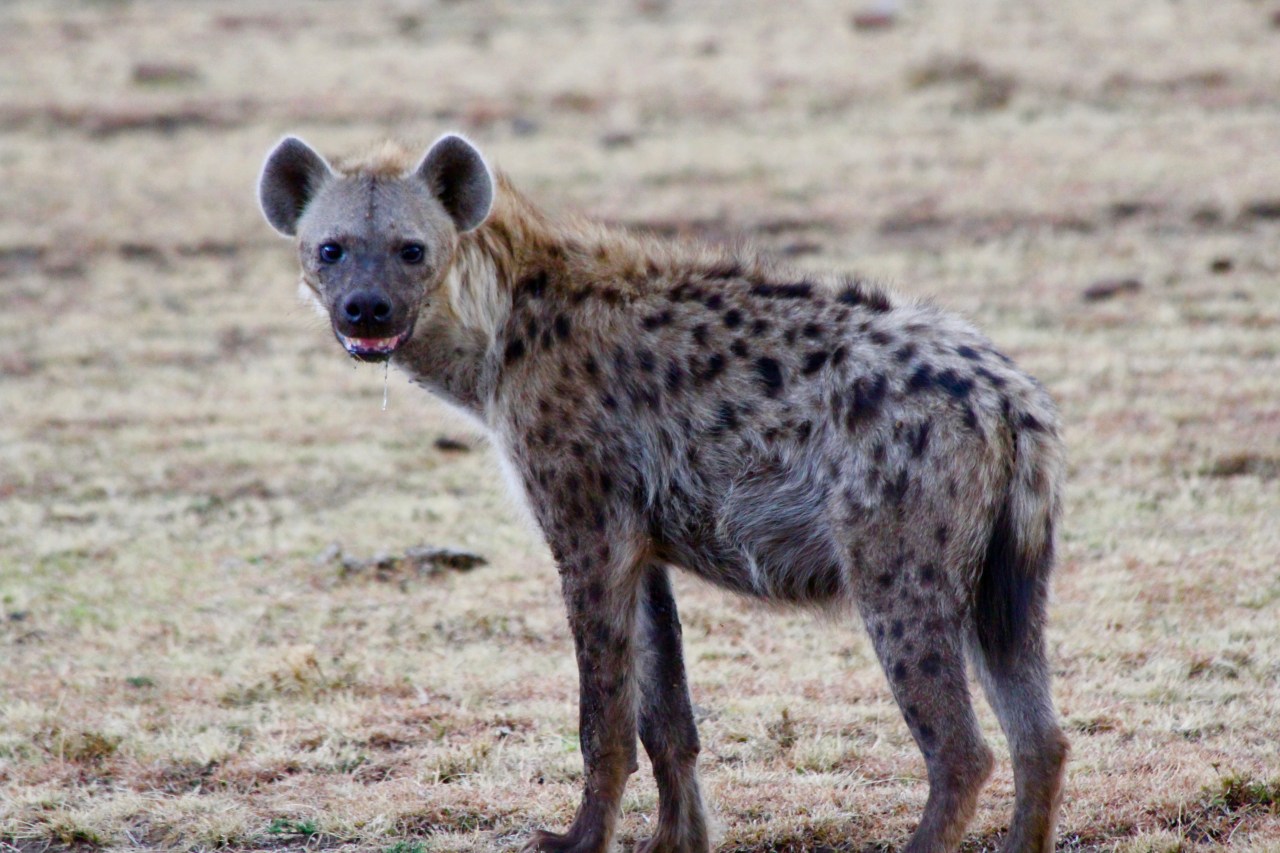
A sleepy leopard cub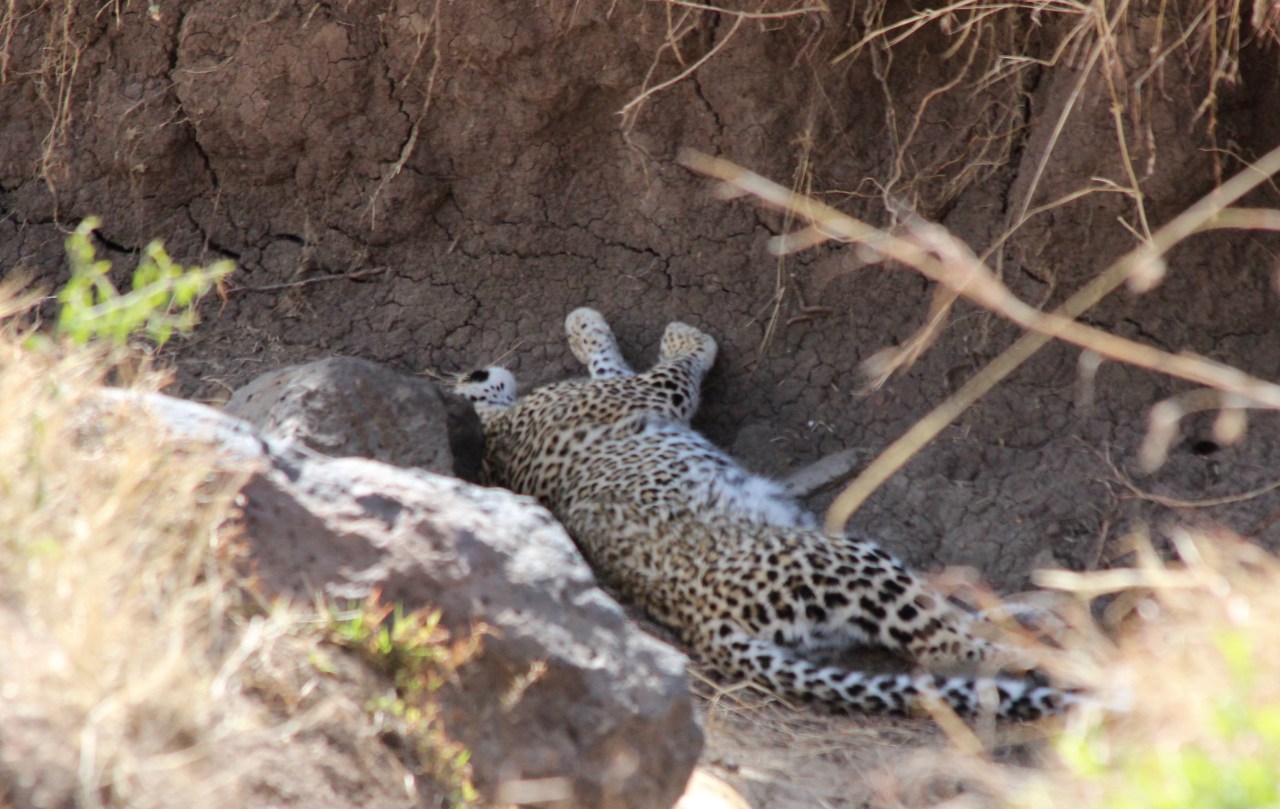
Nile Crocodile 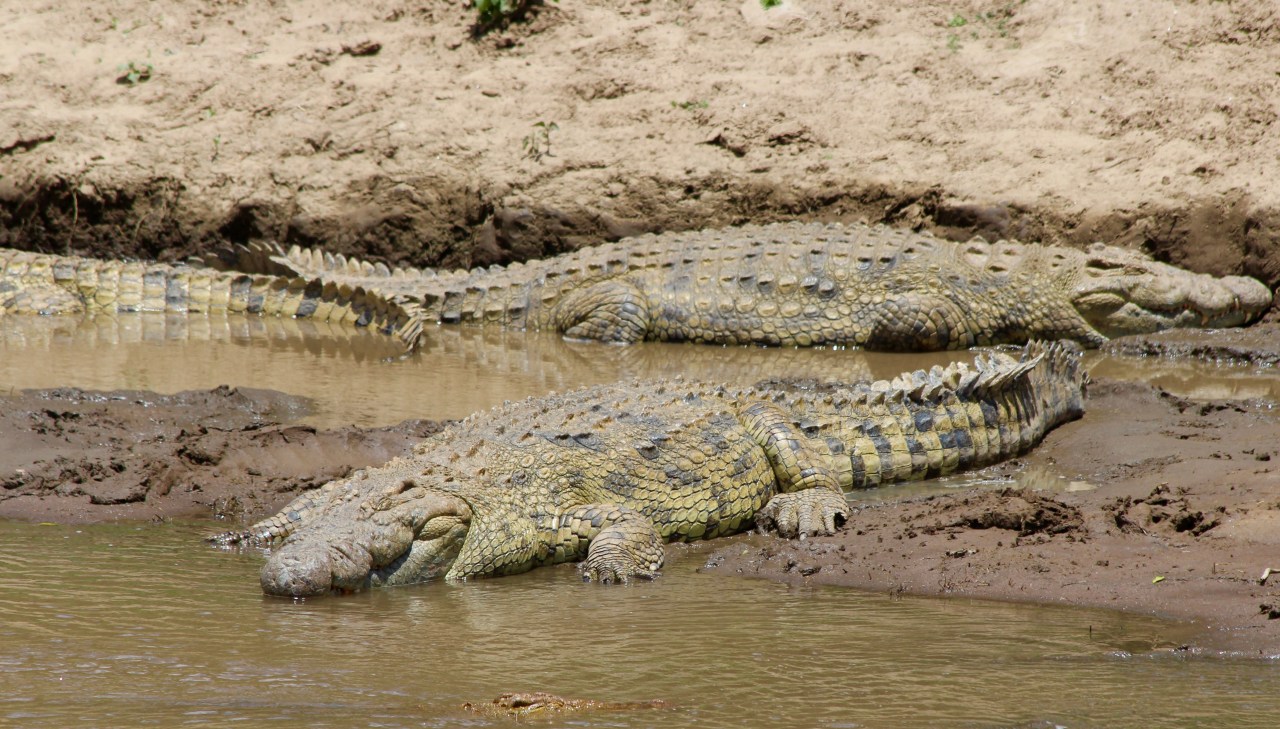
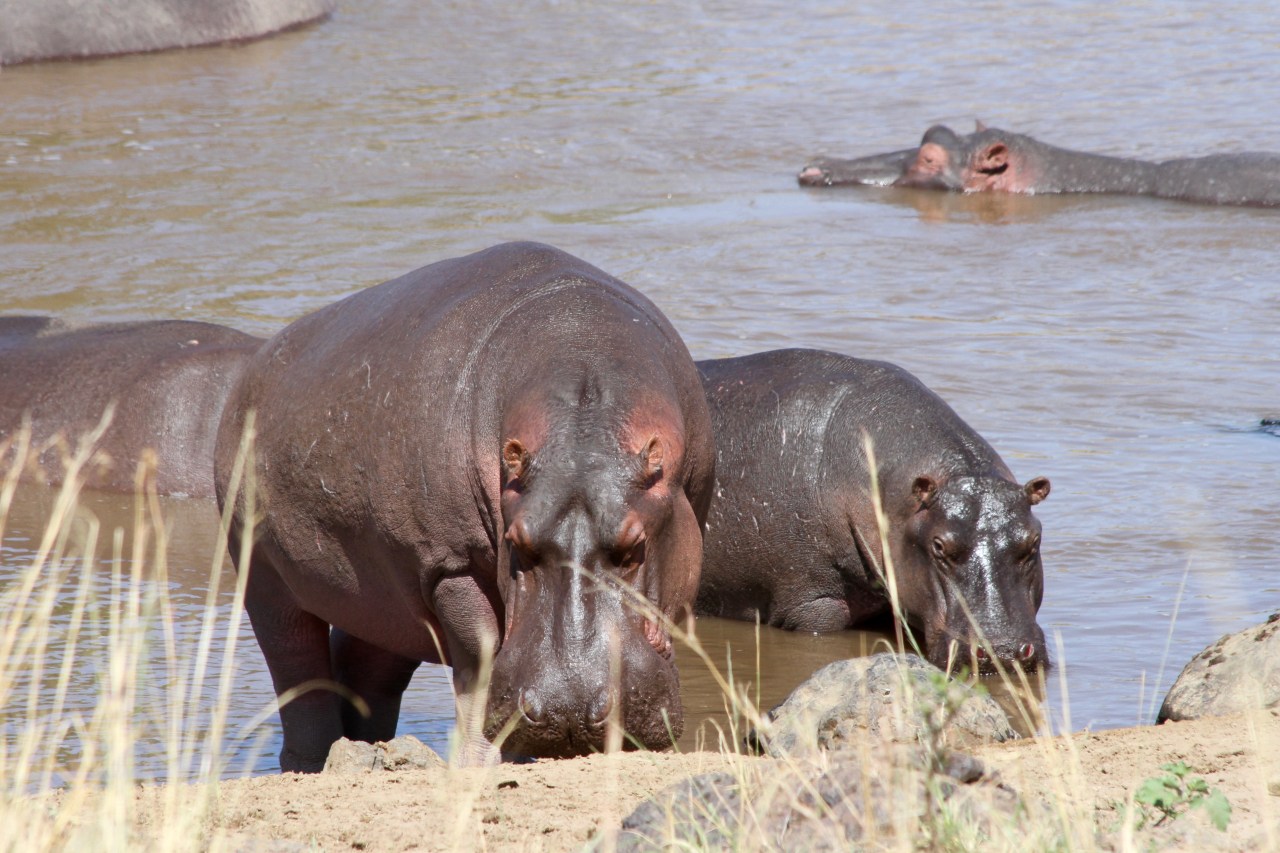
Hippopotimi? Hippopotamus?
Prey (ish)
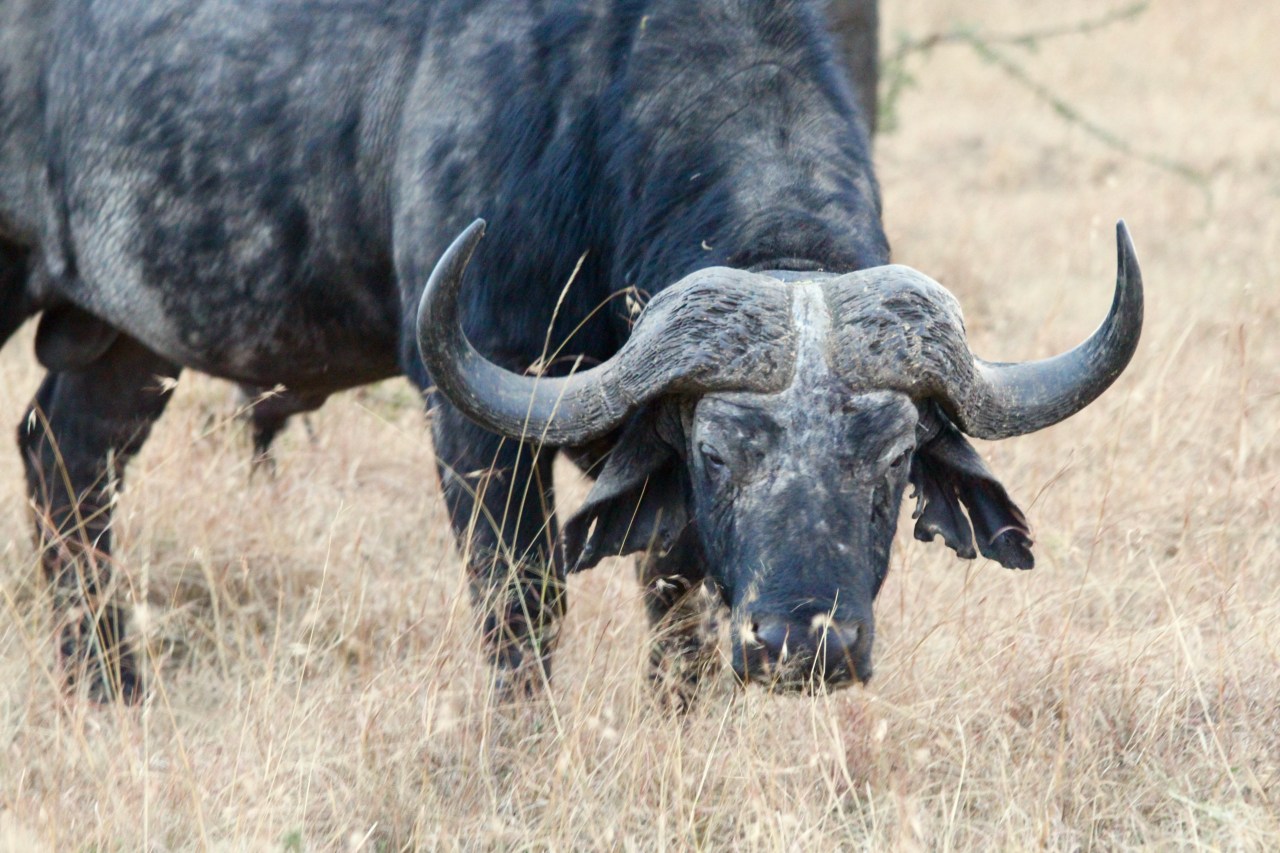
A very old Cape Buffalo
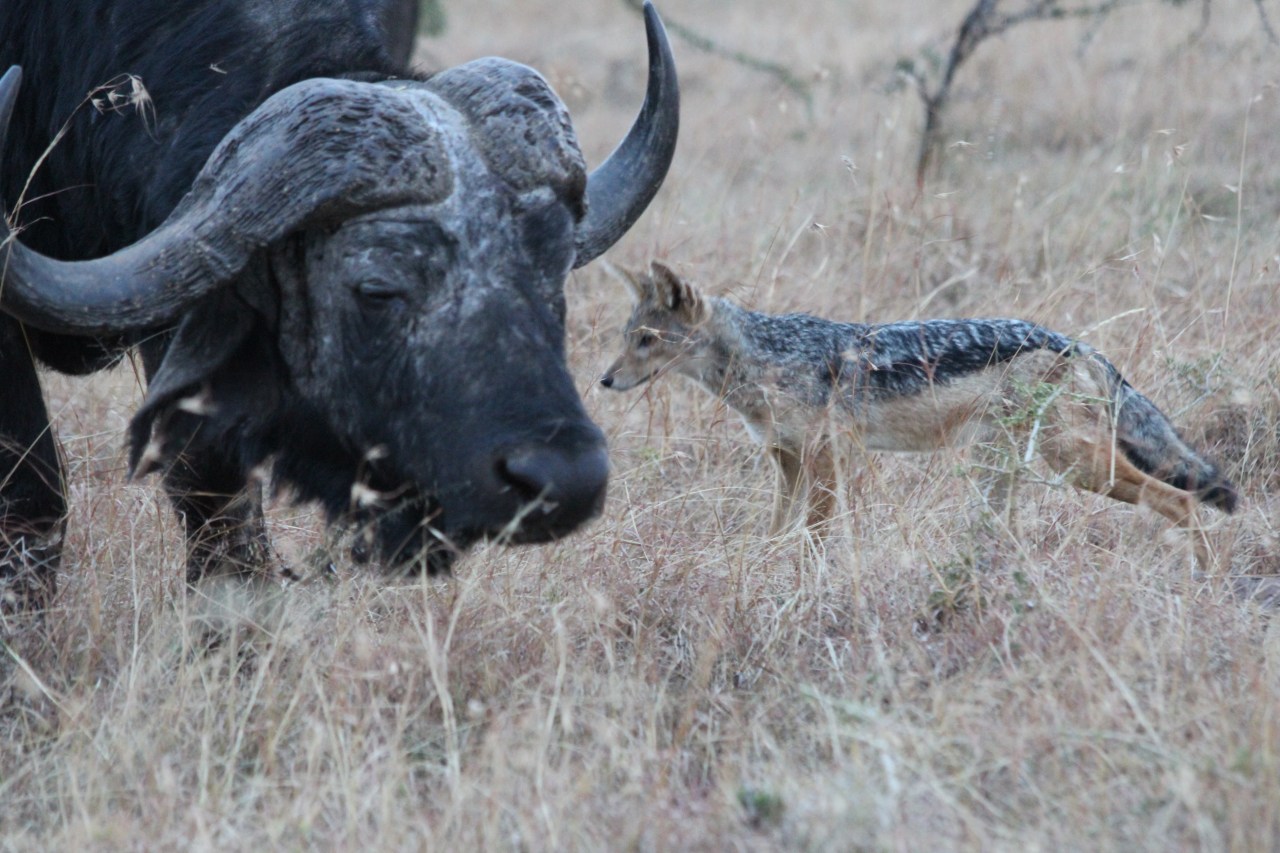
He is being checked out by a pack of jackals. They are checking for wounds and weaknesses. Our guide said he had never seen anything like this. Because they are slow, Cape buffaloes realize they cannot outrun a predator and so instead they become aggressive and fight back. Usually small animals like this don’t test their luck.
The Warthog


Topi and Thompson gazelles


“The Great Migration”
Talek River Crossing
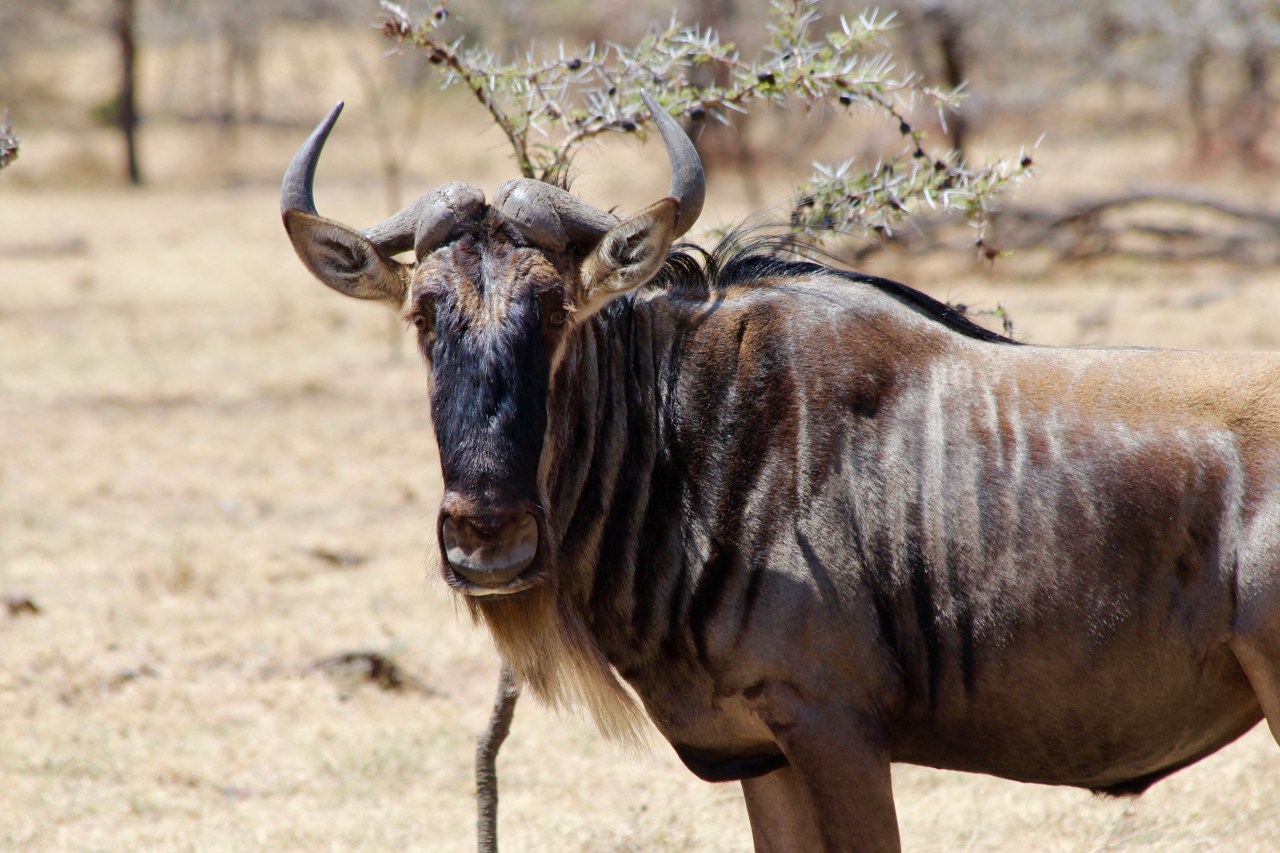
The Wildebeest Migration, is one of the “Seven New Wonders of the World” and also known as The World Cup of Wildlife. We arrived in Kenya as the animals were migrating back to Tanzania. It can take hours or even days to witness a river crossing, so it was an exciting and emotional moment. A herd of wildebeests and zebras congregated on the shore near our truck, weighing the risks of crossing the river. They had been considering the decision for hours, peering at the water, talking to one another and cautiously backing away. The animals were stalemated by fear of crocodiles and the need to cross. After serious consideration, the wildebeests decided the time was right. Hundreds of animals leapt into the river, a frenzy of thrashing and stampeding. Zebras joined in the crossing. A juvenile wildebeest was dragged under by a croc, tugging to break free, but ultimately losing this struggle. The animals on our side of the river retreated in panic. The river became calm again as the crocodiles finished off the wildebeest and repositioned themselves.
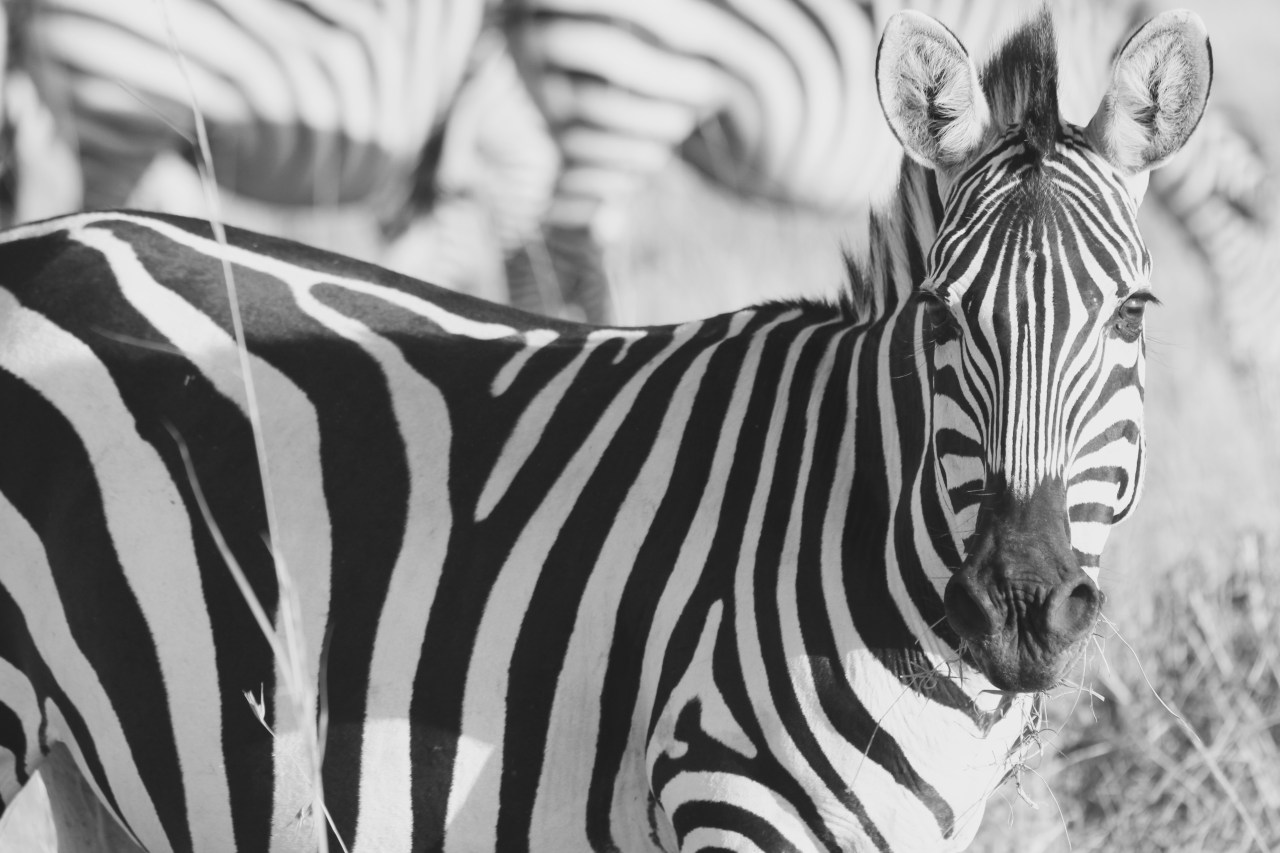
In the second video you can see a zebra that had safely crossed the river circled back and began to call out to its family, still stuck on our side of the embankment. The sounds they made back and forth were truly heartbreaking, pangs of tragic desperation. We all feared how this would end, the zebra going back into the river, alone, and filled with at least 4 crocs. It jumped into the water – not so much an act of heroics, but rather an act of love. The zebra treaded water slowly as crocodiles swarmed and collectively we braced ourselves for the worst. Just as the end was imminent, the zebra made it safely back to the start. After we stopped filming he lead his family back across the river safely. Cheering could be heard from the spectators in nearby trucks.
The Zebra and his family
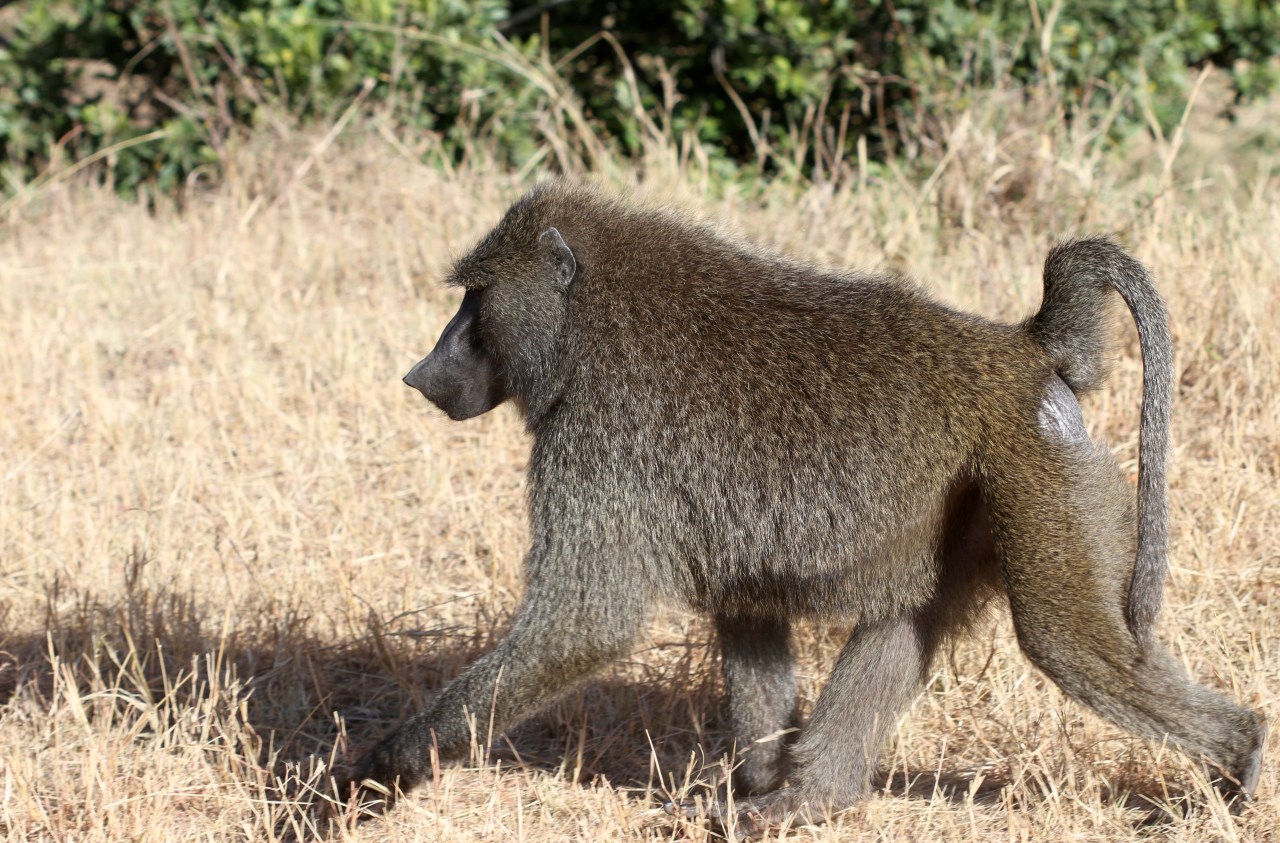
Baboon crossing!


The Circle of Life


Above: many wildebeest carcasses, likely the result of a big cat and now being finished off by vultures. A topi carcass hanging from a tree, which belonged to the leopard who carries the body high into the branches to keep it safe. Bottom right: a lioness takes an afternoon rest under a tree next to her wildebeest catch. Bottom left: the empty shell of an eaten leopard tortoise.
A Hot Air Balloon Adventure


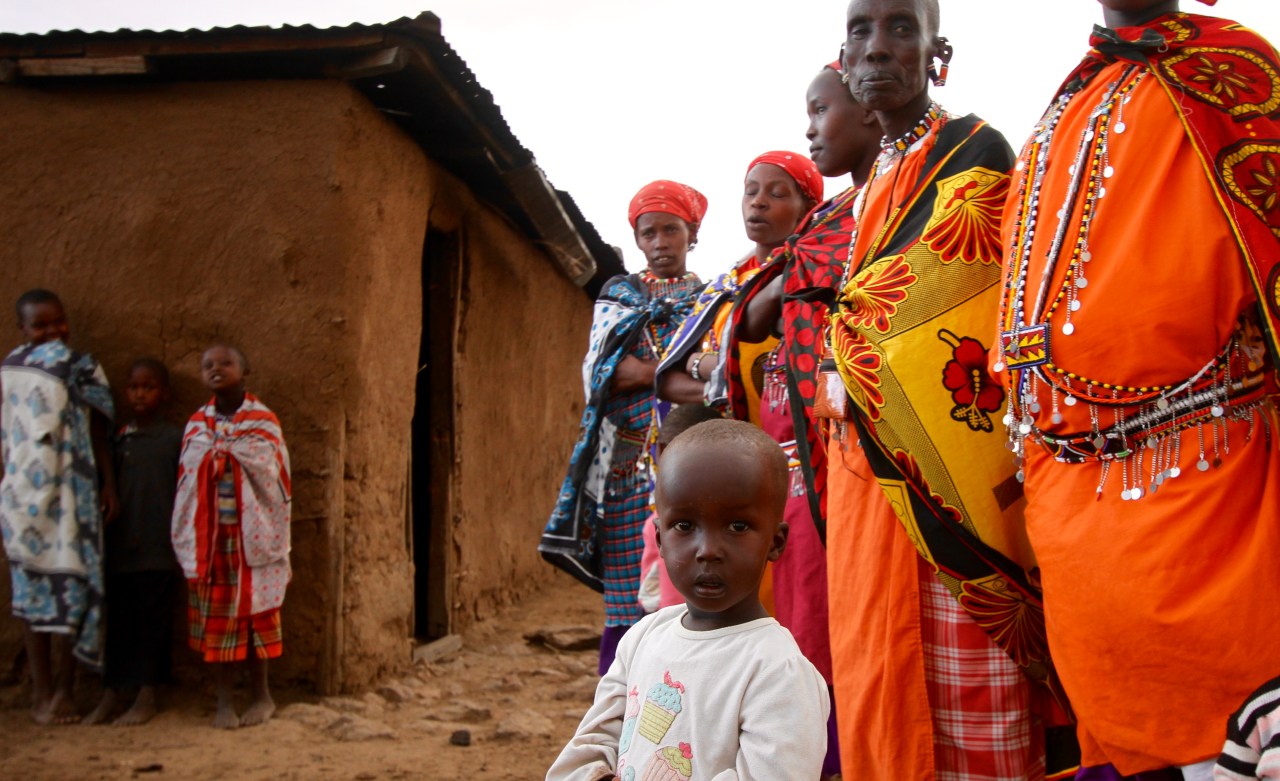
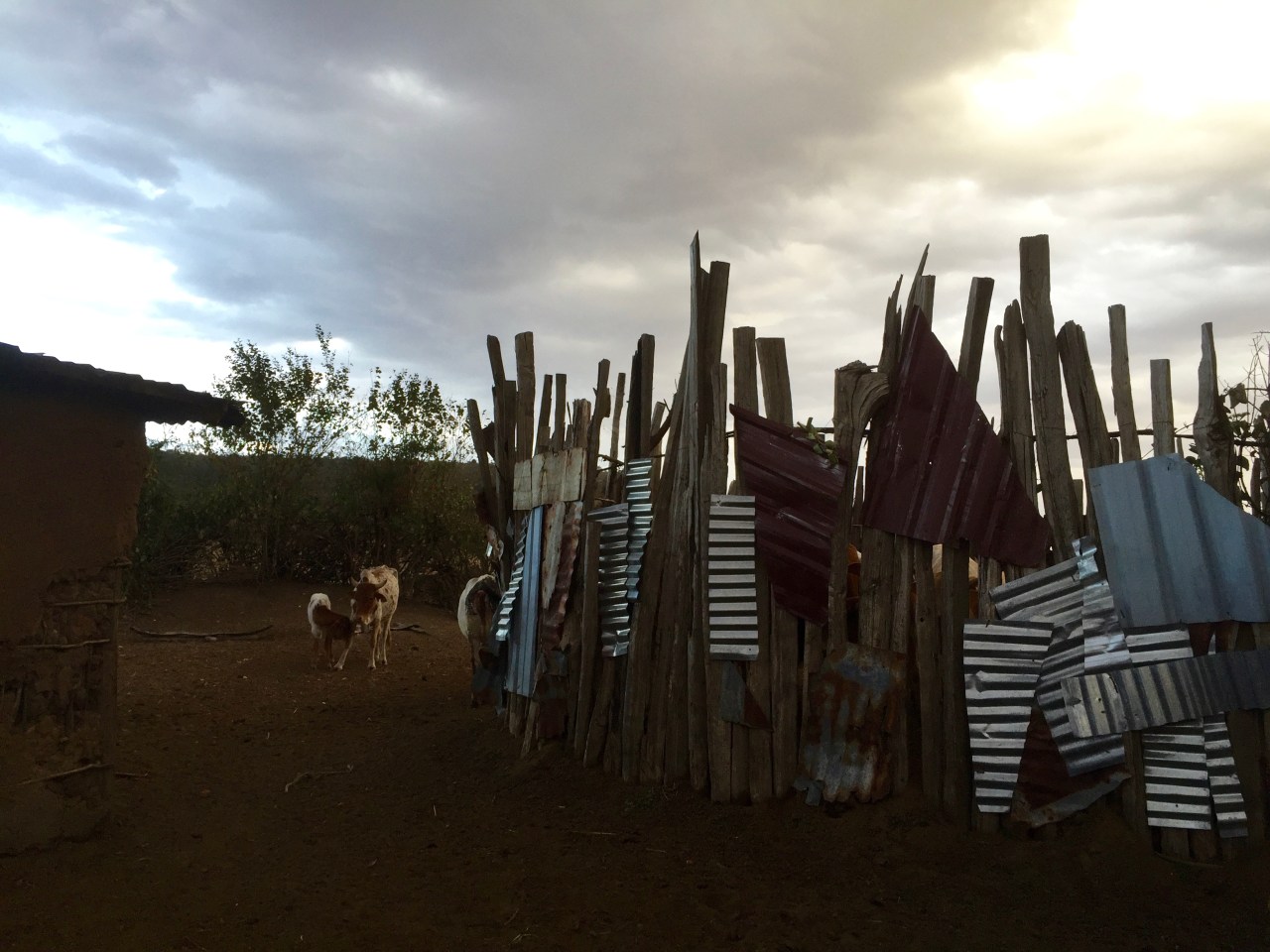
Masai Village
This very small Masai village was being sponsored by our camp, which carried an interesting backstory. One year ago some lions killed many of their cattle. This was a huge blow to the village monetarily, but they did not retaliate against the lions. The camp and the village, instead, worked together. Toys of plants and plastic bottles, one room clay houses… The visit was a humbling experience.


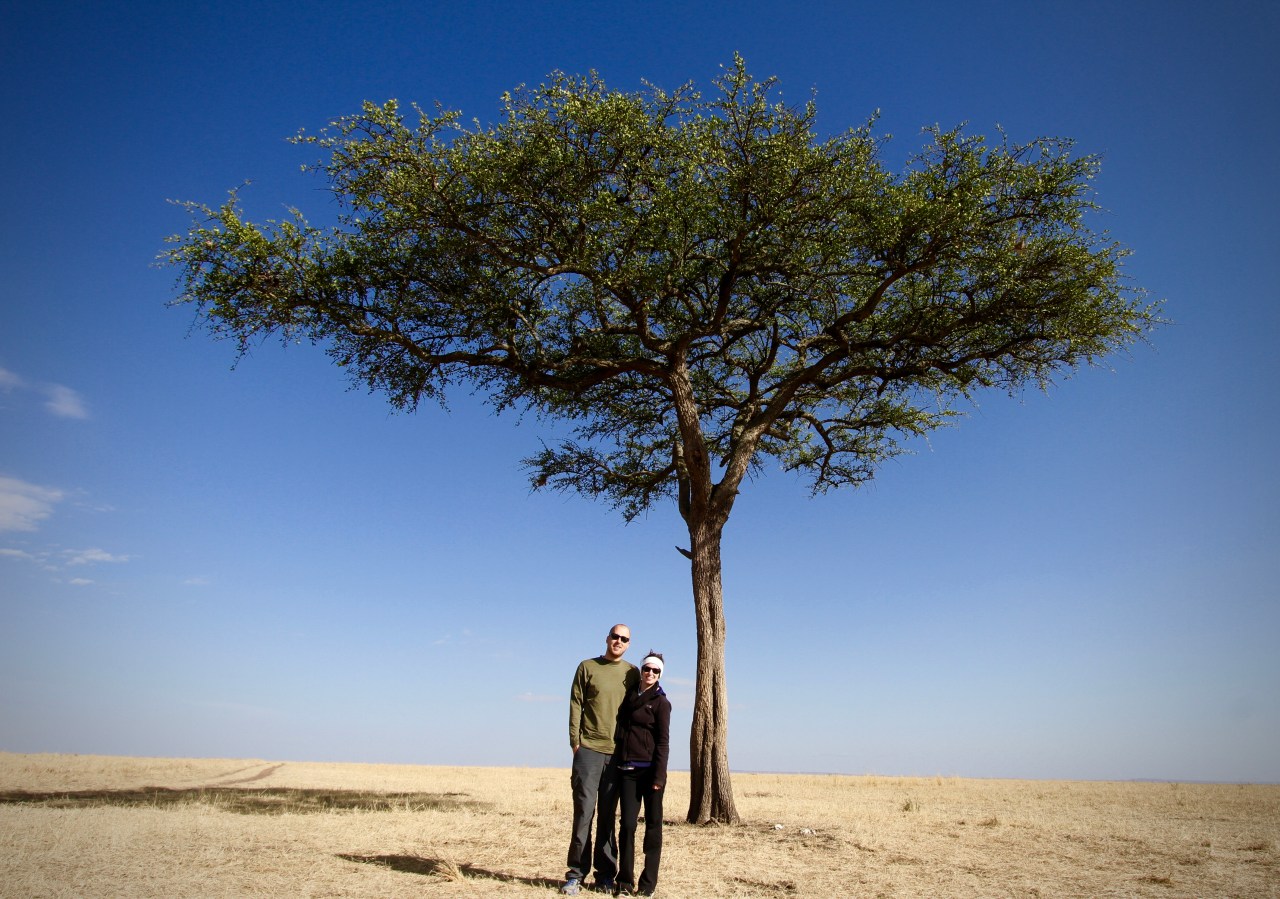
Words cannot express the amazing experience that we had. We feel so lucky to have gone, and to have shared with with the Rodriguez family. Thank you Kenya for sharing your sacred places with us, and for an unforgettable adventure!

 Letters from Saudi
What a great blog!!